
Archiving or Hoarding?
How to build meaning out of the grid

Why this story?
Who does it benefit to tell this story?
What significance is there in where the artefact or insight was found?
What does the past now mean?
How can this impact the future?
Those are some of the questions within the wider research framework I used in writing Escaping Babylon: An Intimate History of Black British Music. They also provide the foundation for my approach to archival work, which should be an ongoing endeavour that evolves across time and space.
In my DEEP FEEDBACK episode with Elijah, I spoke about what it means to archive vs hoard and what that means in the context of 2026. My collection of memorabilia, CDs, records, magazines and flyers didn’t find collective meaning until I started answering the questions above. Before this point, they were just items I’d held onto throughout my life. It wasn’t until the pandemic that I began to understand that this collection sat within the wider sphere and framework of Escaping Babylon.
Archiving has become the latest buzzword brands have run into the ground in recent years. Recently, Viktor Wendt wrote about how many are stuck in the process of curating but not creation, particularly when it comes to the Instagram moodboard. The effect has resulted in those aesthetically pleasing design-led grids becoming very samey, which results in very little output.

The same can almost be said of archiving, particularly with Instagram and camera rolls, where it often feels as though nostalgia and cultural history accounts are stuck in the same loops, feeding from the same references. My algorithm has served me so many iterations of Sopranos-based content over the years, with few offering a new spin or perspective on the HBO show that ended nearly twenty years ago. The same can be said for NBA-focused Instagram accounts, which are still serving me endless reels and highlights of Michael Jordan in his prime, none of which feel as gratifying as watching The Last Dance for the first time.
On the other hand, these accounts can also serve new and younger audiences who weren’t necessarily knowledgeable about those cultural moments. Nowadays, many of these moodboards and reference accounts lean more towards the hoarding aspect of collecting cultural memories and artefacts instead of telling a broader story. An Instagram account can be subject to hacking, random deletion or the whims of an ever-changing algorithm, which makes it much harder to believe that alone, it can exist as an archive. It’s often content creation hoarding presented as archiving.
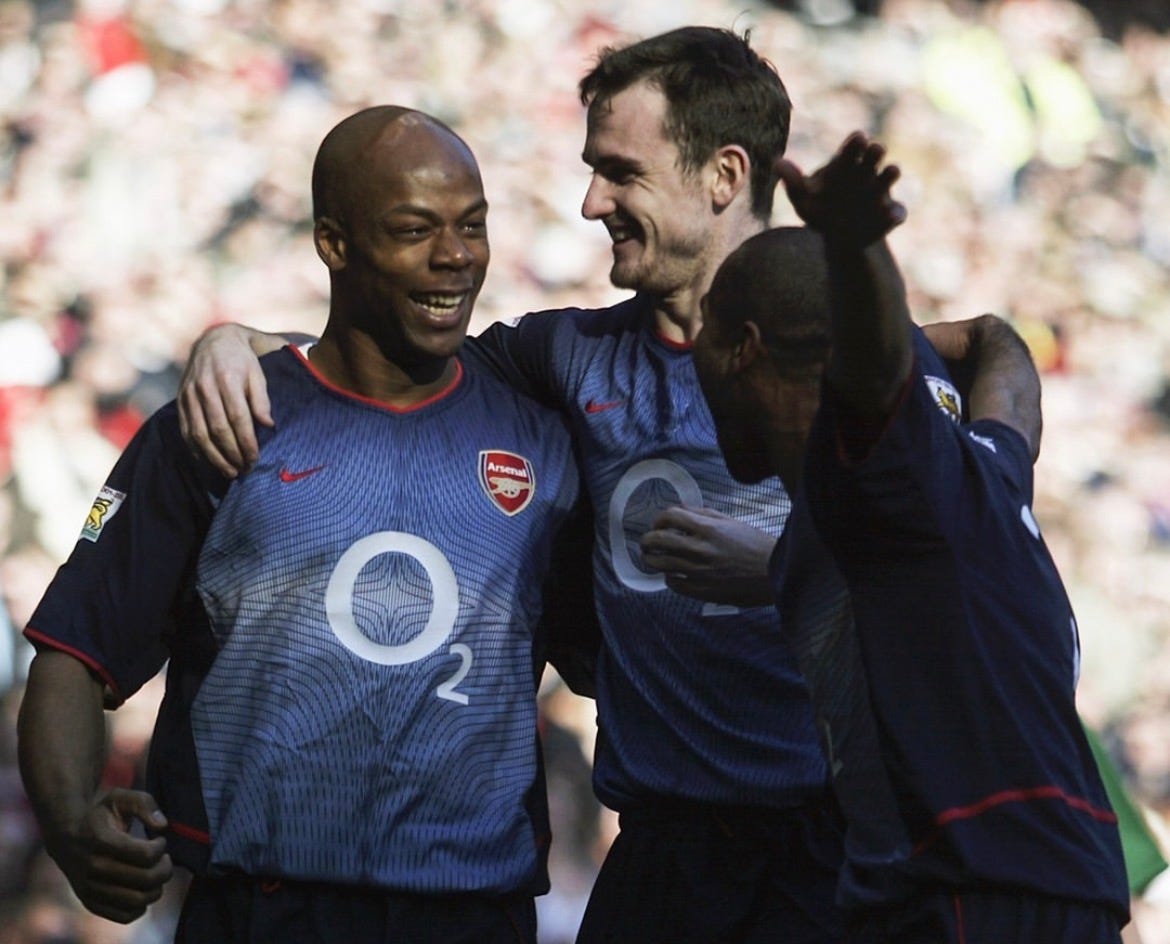
Arsenal’s On This Day content on social media feels far more resonant in the Mikel Arteta era as the club has experienced its own resurgence as a dominant force domestically and in Europe. It used to be that all the club had to rely on were memories of successes in years gone by, particularly between 2014 and 2020, which were barren beside FA Cup wins. This approach achieved the opposite of an archive because there’s only so much fans can look back on the past without feeling dread and uncertainty about the present and future.
However, that future is now the present and for younger fans who weren’t old enough to experience Premier League success, Arsenal’s content now feels far more hopeful and forward-looking. Arsenal can now rerelease the last Adidas home kit of 1994 because it’s not just nostalgia for nostalgia’s sake. It allows younger fans to feel closely tied with the club’s rich heritage and storied history, bringing generations together who can bask in what looks to be Arsenal’s trophy success this season.
Why does this matter?
Archiving offers a chance to create a framework for an imaginable, liveable future by using the past as a conduit to the present. New York Knicks fan account BOCKER BACKPAGES balances this idea by reimagining iconic rap albums and covers as tabloid front pages to celebrate pivotal wins. The Knicks’ success in recent years and their emergence from the NBA nether regions, accentuated by their NBA Cup win in 2025, has only bolstered BOCKER BACKPAGES influence while cementing the franchise’s modern-day lore.
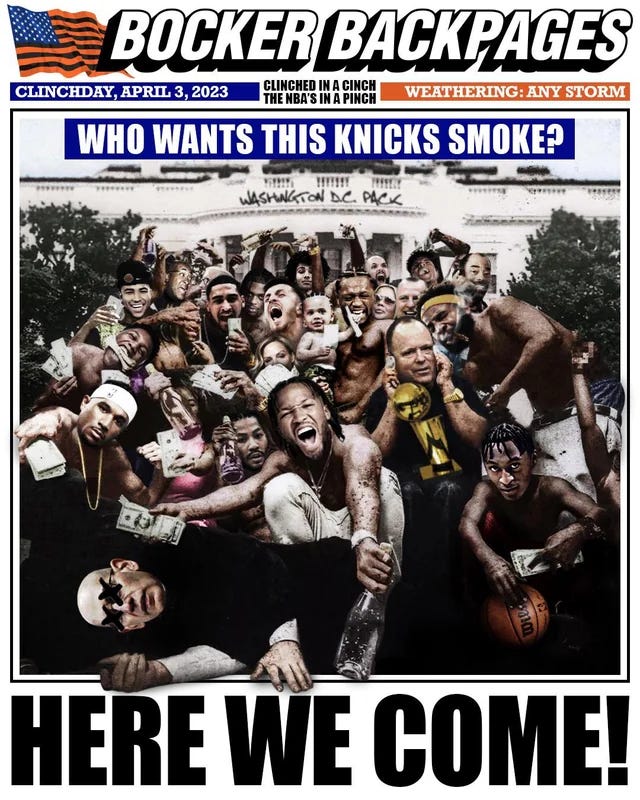
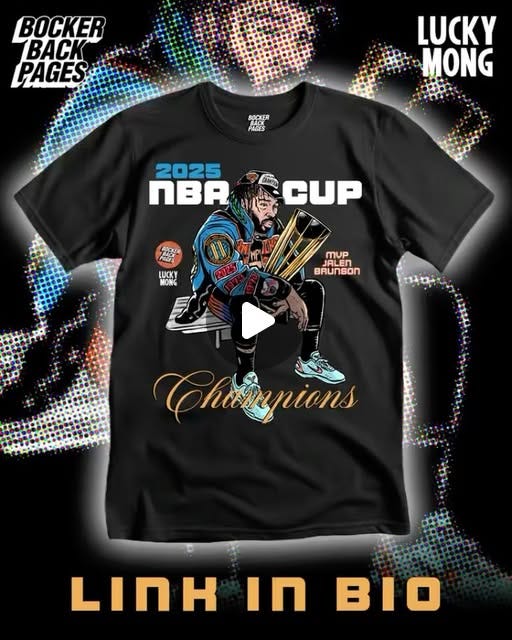
Everyone loves an underdog story, and by galvanising the Knicks’ successes and revival, BOCKER BACKPAGES have created new bonds with fans by scaling up with merchandise. The obvious next step would be for the brand to collaborate with the franchise, and this could manifest through a special issue magazine or newspaper, if the Knicks were to win a championship in the foreseeable future. And as a Lakers fan, even I would become more invested in the Knicks, as everyone outside of Boston, Miami and perhaps Indiana secretly roots for them to succeed.
Through this, we’re able to understand the lore of the Knicks and their relationship with the city, rap and tabloids. It also feels like an inventive way to document the present without leaning heavily on the past, with moodboards by the creation of something new. And even something new can be inspired by an existing cultural artefact, if it tells a rich story.
I’ve been trying to question recently what I can offer the world in relation to my music media collection. sharing my finds online can feel a bit empty at times. I think you’ve shared some really good insight and questions here and I’m definitely curious about the deeper meaning of why I would share my collection rather than just keeping them for my own enjoyment and nerdiness. very thought provoking!